Before I started working on OJ-UGANDA, I would readily agree with anyone saying that Ugandans have limited interest in news. But for months, I have watched the traffic patterns on OJ-UGANDA with the fascination of a shopkeeper studying customer habits.
There is one inescapable conclusion: People cannot ignore news. However much technology disrupts the media landscape, news is here to stay. The interest people have in news is comparable to their attraction to free or inexpensive things.
People will always want to watch or read news about a tragic accident, the resignation of a cabinet minister, a scandal in a government department, a divorce involving a public figure or a celebrity, a business that looked promising but has gone bust.
News travels across messaging apps like WhatsApp and social media timelines with astonishing velocity. Readers tend to share news articles more readily than opinions—unless opinions are polemical or very critical of a well-known public figure.
MORE FROM THE FOUNDER’S MIND SPACE
A major reason opinions are not highly shareable is that they do not have a strong element of newness, even when they focus on developments that have just happened.
Our analytics continue to show that news stories attract more eyeballs even when they are brief—provided they are of great public interest. That is not to say that we are pivoting to news. While news will continue to be part of our editorial agenda, we have to pay close attention to non-news content that helps readers understand issues of public interest more deeply.
Last month, for example, OJ-UGANDA published an article titled “What Ugandan MPs actually earn as opposed to what social media says.” There had been conflicting stories about what MPs earn. We set out to get the facts from Parliament itself. This was not a straight news report, but it was well received—and Google Search Console shows it is still trending upward.
Another non-news item that performed well was an interactive map of 146 districts, highlighting those with the lowest and highest numbers of voters—from fewer than 200,000 to more than one million.
While interest in news remains strong, my experience on OJ-UGANDA has brought home the fact that Ugandan news consumers care more about anything presented as news and less about who is behind the reporting, how the news is reported and whether it has been verified at all.
This points to a readily available army of news consumers but not necessarily discerning ones. Consequently, readers can share “news” on bloggers’ social media pages even if it is demonstrably false.
Six reasons you should trust what you read on this website—and share it with confidence
1. Led by experience that travels well
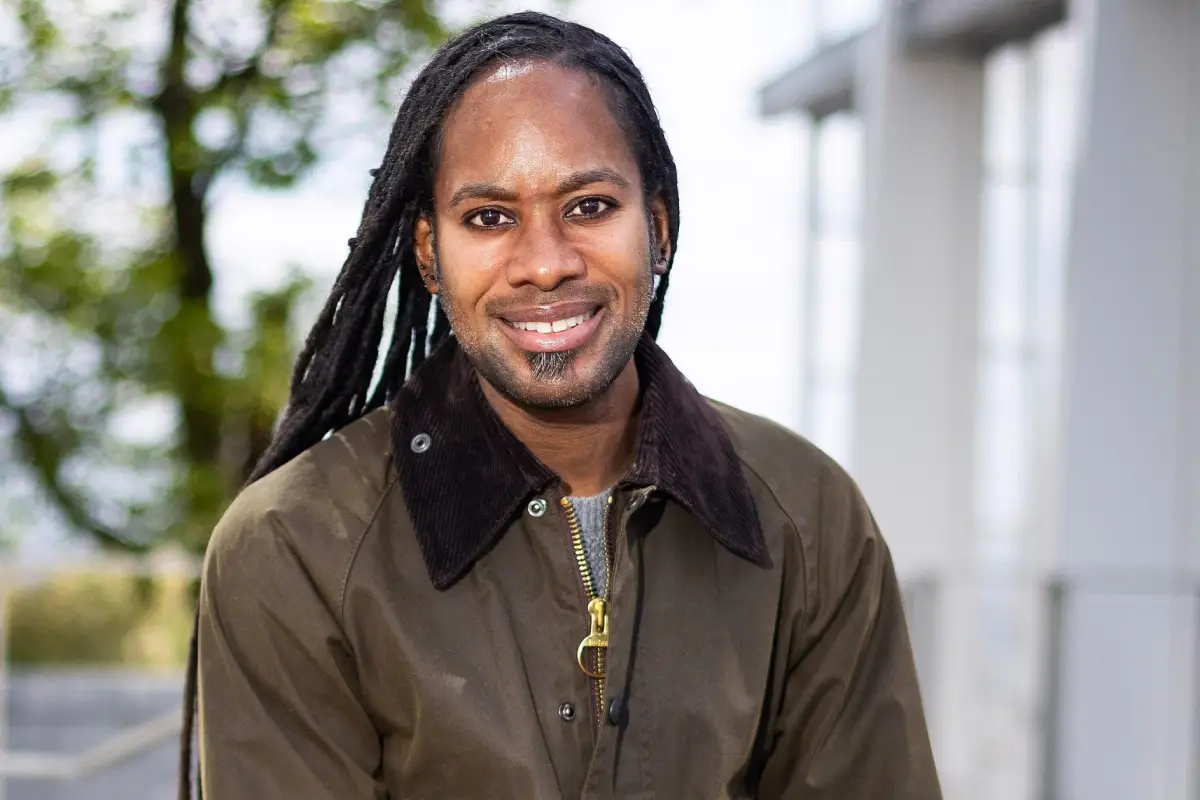
Our founder and editorial director, Musaazi NAMITI, brings more than two decades of serious newsroom experience, including eight years as an editor at Al Jazeera in Doha, Qatar, and consulting for the African Development Bank, UN agencies and Globe Media Asia in Cambodia. His global exposure anchors OJ-UGANDA.COM in professional rigour and fairness—standards that too often slip in Uganda’s crowded media space.
2. We fact-check with scientific precision
Verification is NOT a box we tick; it is how we bring journalism to life. We confirm spellings, dates, figures, places—every detail that shapes a story. If a fact looks shaky, we pause and probe. Emotion does not lead us; evidence does.
3. We are a legal entity and are fully registered
OJ-UGANDA.COM is a company registered with the Uganda Registration Services Bureau. Our registration number is: 80034266163714
4. Radical transparency in how we work
We do not hide behind mystery. We show readers how information is gathered, verified and edited. You will always understand why we stand by a story—because we will let you in on the process.
5. Accountability you can see
When we err, we do not sweep it under the carpet/rug. Our corrections policy ensures every error is corrected immediately, with a clear note explaining what went wrong and what has been fixed. No quiet deletions. No half-truths.
6. Fair treatment for contributors
If you write for us, your ideas remain yours. We refine, not usurp. We share every edited version before publication, and we publish only work that is fact-based and mutually agreed upon. Your voice stays authentic—and honest.
🔴We run a clean, professional news site that prioritises editorial quality and draws readers’ attention to what matters.
More importantly, interest in news does not correspond with a readiness to pay for it. Many people want to read news but only when it is free. That is why printed newspapers on sale struggle to find buyers.
Part of the reason is that many news consumers do not know what goes into professionally-produced journalism. If they can get free news on a content creator’s Facebook page, even when it is plagiarised, they do not see any reason why a news website should ask them to pay.
The way forward for publishers with the resources to produce high-quality content may be to make easily obtainable news stories free while charging for content that is both in high demand and of high quality.
This is the paradox that will make publishers scratch their heads. A keen interest in news, which is an integral part of journalism, would suggest that people are ready and willing to pay for it. But they are not.
The appetite for news is unmistakable; the willingness to finance it is not.
🔴 Musaazi Namiti is the Founder and Editorial Director of OJ-UGANDA. He previously led the Africa Desk at Al Jazeera in Doha, Qatar, worked for Globe Media Asia in Cambodia and writes a widely read column for Uganda’s Sunday Monitor. His work has been quoted by The New York Times, The Guardian, The Wall Street Journal, Jeune Afrique, The Africa Report—not for playing it safe, but for saying what others will not.