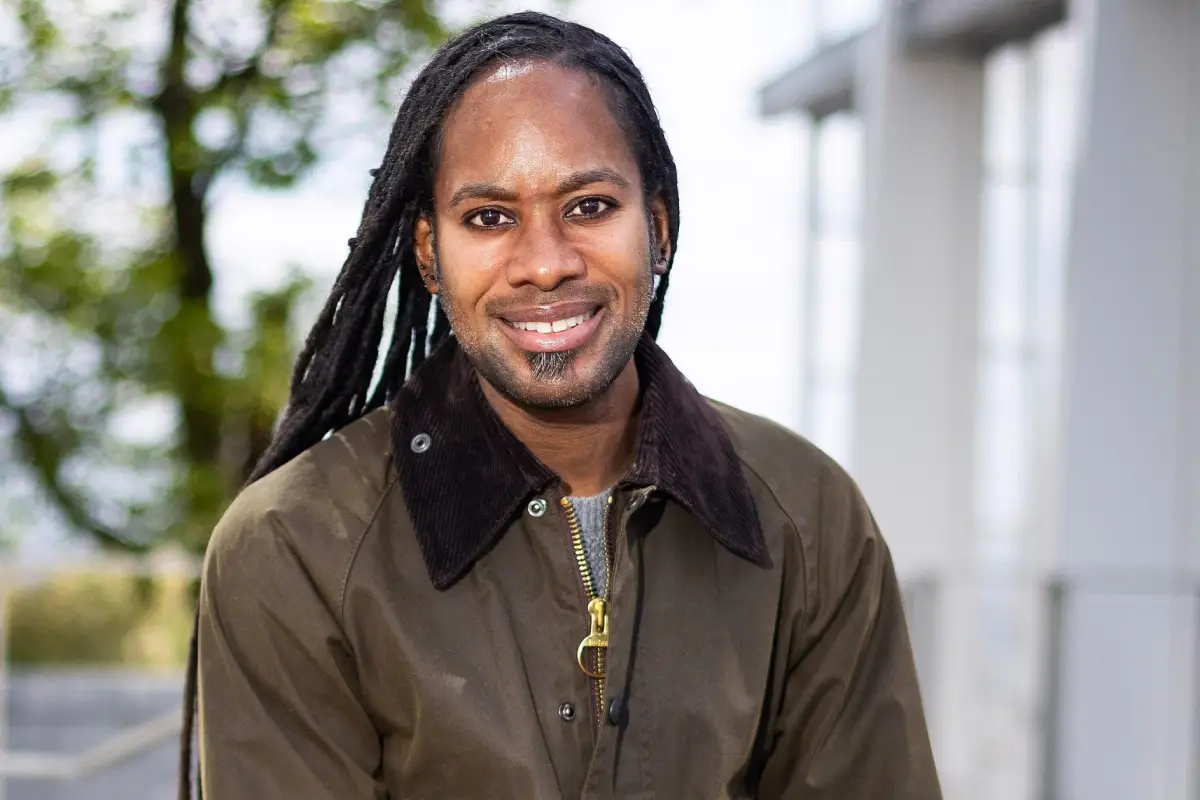
Musaazi NAMITI | The Founder’s Mind Space
My first article in the Daily Monitor was an opinion, and it was published in 1997. The opinion and comment pages in many newspapers are dominated by public figures: senior politicians, cabinet ministers, senior civil servants, academics, celebrities, authors, top athletes, etc. Newspapers rarely give space to ordinary people.
The Daily Monitor was different. It allowed almost everyone to share their views with its readers. I had been a journalist for only four years when the Monitor published my article. I continued contributing articles when Ssimwogerere Kyazze was the Sunday Monitor editor in the late 1990s.
Then there was a very long break lasting more than a decade while I worked for other news organisations. In September 2019, I was contracted to write a weekly column. The paper’s courage reflects my column, encapsulated in its name: Brutally Frank.
But that courage is now under serious threat after the army chief and son of President Yoweri Museveni, Gen Muhoozi Kainerugaba, publicly announced that he does not believe in a free press and ordered security forces to lay siege to the newspaper’s office and stop its sister TV and radio stations from broadcasting. (Legally, the Uganda Communications Commission has the authority to take TV and radio stations off air.)
Six reasons you should trust what you read on this website—and share it with confidence
1. Led by experience that travels well
Our founder and editorial director, Musaazi NAMITI, brings more than two decades of serious newsroom experience, including eight years as an editor at Al Jazeera in Doha, Qatar, and consulting for the African Development Bank, UN agencies and Globe Media Asia in Cambodia. His global exposure anchors OJ-UGANDA.COM in professional rigour and fairness—standards that too often slip in Uganda’s crowded media space.
2. We fact-check with scientific precision
Verification is NOT a box we tick; it is how we bring journalism to life. We confirm spellings, dates, figures, places—every detail that shapes a story. If a fact looks shaky, we pause and probe. Emotion does not lead us; evidence does.
3. We are a legal entity and are fully registered
OJ-UGANDA.COM is a company registered with the Uganda Registration Services Bureau. Our registration number is: 80034266163714
4. Radical transparency in how we work
We do not hide behind mystery. We show readers how information is gathered, verified and edited. You will always understand why we stand by a story—because we will let you in on the process.
5. Accountability you can see
When we err, we do not sweep it under the carpet/rug. Our corrections policy ensures every error is corrected immediately, with a clear note explaining what went wrong and what has been fixed. No quiet deletions. No half-truths.
6. Fair treatment for contributors
If you write for us, your ideas remain yours. We refine, not usurp. We share every edited version before publication, and we publish only work that is fact-based and mutually agreed upon. Your voice stays authentic—and honest.
🔴We run a clean, professional news site that prioritises editorial quality and draws readers’ attention to what matters.
Daily Monitor editors have never given me orders about topics not to write about. But my very first article to be killed was about the very man who is now threatening the paper. At that time, 2022, he had not made any threats against the Monitor, as he often does these days.
The siege came after Mr Museveni’s “enemy paper” declaration, which can now be viewed for what it really is: a political philosophy, not just a throwaway insult. His son has said in posts on X that he is liaising with his father about punitive measures being taken against the media outlet.
“As comrade @AndrewMwenda said, we are having discussions with our allies in the UK and Europe about re-opening both NTV and Daily Monitor. We shall take the results of these discussions to Mzee for final approval,” he wrote, using the Swahili word to refer to his father.
The state has thrown just about everything at the Daily Monitor to bring it under control. Way back in the early 1990s, it stopped its agencies, departments and ministries from advertising with the paper.
But a newspaper that refuses to be a government notice board commands respect and loyalty that outlets that kowtow to the state can only dream of.
Readers have continued to stand with the Daily Monitor through thick and thin. At least they know that anything that Mr Museveni and his government do not want the public to see the paper has always had the courage to publish—until now.
Readers with a good memory will remember that the 2013 raid on the paper’s newsroom was triggered by a story specifically about Gen Kainerugaba, making him the shutdown’s author and its original subject.
It seems like the shutdown is dynastic continuity: authoritarian instincts passed from father to son like an inheritance.
Notheless, the odds that the paper and its sister radio and TV stations will be reopened are high. But the damage has already been done and is irreversible—unless Uganda gets new leadership that believes in press freedom.
The Monitor launched in July 1992, and, by its own admission, there are stories it has not published due to considerations tied to survival. Of course, this makes a great deal of sense because a closed newspaper does not serve any purpose.
ANSWERS TO QUESTIONS OUR READERS OFTEN ASK
This latest intimidation will foster self-censorship. It has sent shivers down the spines of the paper’s editors. They must be saying inwardly: If Gen Kainerugaba can deploy security forces to lay siege to our premises when we have not published any sensitive story, what will happen if we do critical reporting about him or his family?
In a space of two weeks, Daily Monitor has killed two critical articles by two of its opinion columnists: Dr Moses Khisa, who teaches at North Carolina State University, and me. My article was commending former Ethics and Integrity Minister Miria Matembe for speaking out against abductions and torture. Dr Khisa simply asked a pointed question, in reference to abductions: Where is the conscience of the nation?
Of roughly 40 papers launched after the Monitor, only two others survive—the Observer and the Sunrise—but they have their own challenges and cannot be relied on to report fearlessly on repression.
For Daily Monitor to survive, there is only one option: abandon the very thing that gave it meaning: speaking truth to power. It can become another government notice board, or it can continue doing what made it matter in the first place.
CLICK ON THE POINTER TO READ MORE FROM MUSAAZI NAMITI
🔴 Musaazi Namiti is the Founder and Editorial Director of OJ-UGANDA. He previously led the Africa Desk at Al Jazeera in Doha, Qatar, worked for Globe Media Asia in Cambodia and writes a widely read column for Uganda’s Weekend Monitor. His work has been quoted by The New York Times, The Guardian, The Wall Street Journal, Jeune Afrique, The Africa Report—not for playing it safe, but for saying what others will not.