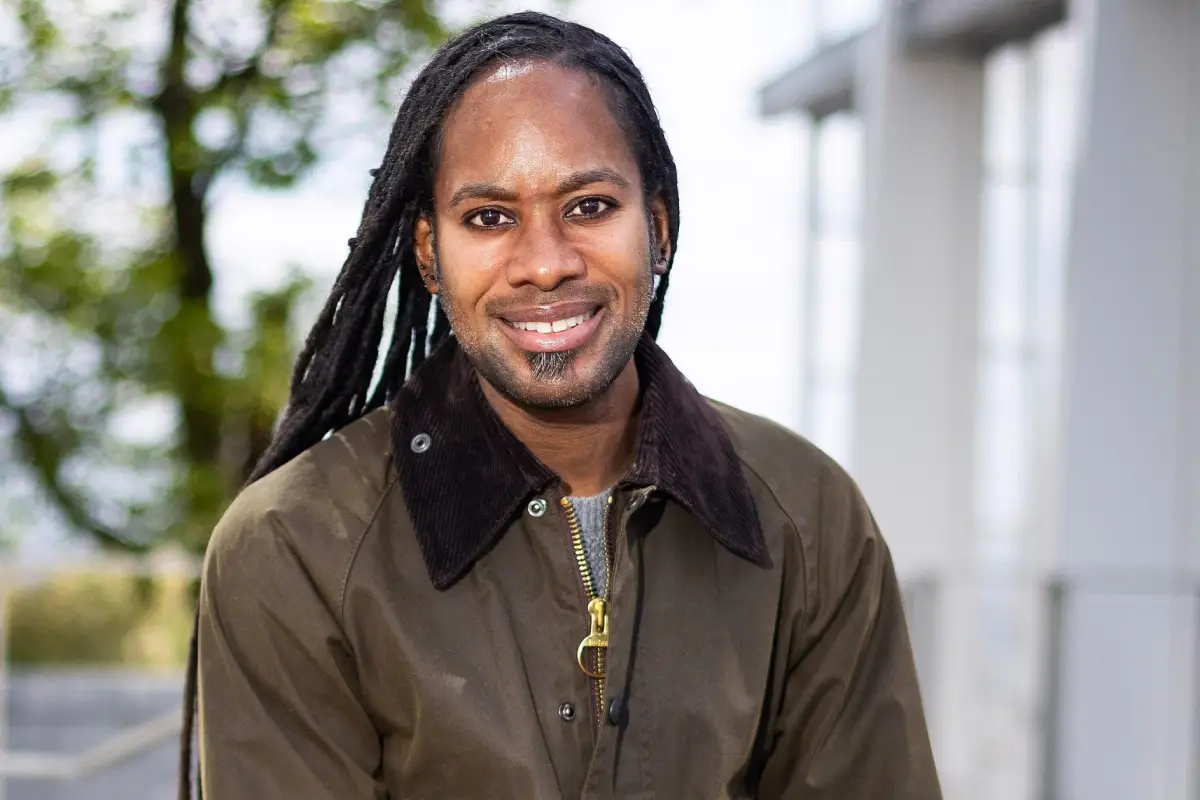
Musaazi NAMITI | The Founder’s Mind Space
The writing is on the wall. If former presidential candidate and leader of the National Unity Platform Robert Kyagulanyi Ssentamu, aka Bobi Wine, had any illusion that he would remain a free man if he returned home, that illusion is now dashed.
There seems to be a spirited campaign to crush the opposition, and the abduction of former Kampala mayor Erias Lukwago, one of the lawyers representing Dr Kizza Besigye, who is facing treason charges, is a case in point.
Mr Lukwago has now been charged with a treason-related offence: misprision of treason, or the offence of knowing that someone has committed or is planning to commit treason, and deliberately failing to report it to the authorities.
Since Dr Besigye was abducted in Nairobi in November 2024 along with his aide, Obeid Lutale, he has not had a proper trial even though the state claims it has incontrovertible incriminating evidence against him. Now that his co-lead lawyer is behind bars, it is hard to see how Dr Besigye is going to get a fair trial.
Which brings me to Bobi Wine. He and Dr Besigye have been President Museveni’s most formidable challengers. At the moment, neither is free. Bobi Wine lost the disputed January 2026 election and called the results fake. Even before the results were announced, his home was already under siege, raided by security forces, who ransacked it, smashed doors, climbed into the ceiling looking for him and forcibly undressed his wife, Barbie.
Six reasons you should trust what you read on this website—and share it with confidence
1. Led by experience that travels well
Our founder and editorial director, Musaazi NAMITI, brings more than two decades of serious newsroom experience, including eight years as an editor at Al Jazeera in Doha, Qatar, and consulting for the African Development Bank, UN agencies and Globe Media Asia in Cambodia. His global exposure anchors OJ-UGANDA.COM in professional rigour and fairness—standards that too often slip in Uganda’s crowded media space.
2. We fact-check with scientific precision
Verification is NOT a box we tick; it is how we bring journalism to life. We confirm spellings, dates, figures, places—every detail that shapes a story. If a fact looks shaky, we pause and probe. Emotion does not lead us; evidence does.
3. We are a legal entity and are fully registered
OJ-UGANDA.COM is a company registered with the Uganda Registration Services Bureau. Our registration number is: 80034266163714
4. Radical transparency in how we work
We do not hide behind mystery. We show readers how information is gathered, verified and edited. You will always understand why we stand by a story—because we will let you in on the process.
5. Accountability you can see
When we err, we do not sweep it under the carpet/rug. Our corrections policy ensures every error is corrected immediately, with a clear note explaining what went wrong and what has been fixed. No quiet deletions. No half-truths.
6. Fair treatment for contributors
If you write for us, your ideas remain yours. We refine, not usurp. We share every edited version before publication, and we publish only work that is fact-based and mutually agreed upon. Your voice stays authentic—and honest.
🔴We run a clean, professional news site that prioritises editorial quality and draws readers’ attention to what matters.
General Muhoozi Kainerugaba, the Chief of the Defence Forces and son of President Museveni, then posted a humiliating photo of Barbie showing her seated on the floor in a room strewn with a mish-mash of items soldiers had rummaged through as they rampaged in the house.
In post after post on his X page, Gen Kainerugaba taunted and insulted Bobi Wine. Meanwhile, the opposition leader, who had managed to flee before the soldiers stormed his home, was posting videos from undisclosed locations, saying that his supporters had offered him protection and that he would return at the time of his choosing.
Gen Kainerugaba posted the humiliating photo of Barbie when she was receiving medical treatment at Nsambya following her ordeal. When she was discharged, she managed to flee the country with her children. She and her husband are currently living in the United States.
While Bobi Wine has said he will return home at the right time, he is likely to walk into a lion’s mouth if he comes back. Gen Kainerugaba, who has been accused of abducting and torturing his father’s political opponents, has said times without number that Bobi Wine will be arrested.
His threats have to be taken seriously, especially when you consider what his father told Sky News in an interview earlier this year.
ANSWERS TO QUESTIONS OUR READERS OFTEN ASK
The channel’s Africa correspondent, Yousra Elbagir, asked Mr Museveni: I want to ask you about your main contender, Bobi Wine. Your government has targeted him quite aggressively since 2018. Why? What threat does he pose to Uganda?
Mr Museveni’s answer was surprising. He said: “Bobi Wine breaks the law […] There are other people in opposition you don’t find having problems with them. But if you take each case, you’ll find that he’s breaking the law.”
Ms Elbagir pressed him: “But why the violence? Why the violence from your security forces?
“It is Bobi Wine who is violent,” the president said.
There you have it. Bobi Wine is violent, according to Mr Museveni. This statement was as shocking as it was insincere. There are documented cases of Bobi Wine’s supporters who have been killed by security forces, some of them women who could not possibly fight armed soldiers.
Bobi Wine’s driver, Yasin Kawuma, was shot and killed by security forces in Arua in 2018. Frank Ssenteza was killed after security forces drove a pick-up truck into him.
That Mr Museveni insists Bobi Wine has cases to answer when the evidence points at security forces is enough reason to conclude that his return would be extremely risky. He should know.
CLICK ON THE POINTER TO READ MORE FROM MUSAAZI NAMITI
🔴 Musaazi Namiti is the Founder and Editorial Director of OJ-UGANDA. He previously led the Africa Desk at Al Jazeera in Doha, Qatar, worked for Globe Media Asia in Cambodia and writes a widely read column for Uganda’s Weekend Monitor. His work has been quoted by The New York Times, The Guardian, The Wall Street Journal, Jeune Afrique, The Africa Report—not for playing it safe, but for saying what others will not.