
Musaazi NAMITI | The Founder’s Mind Space
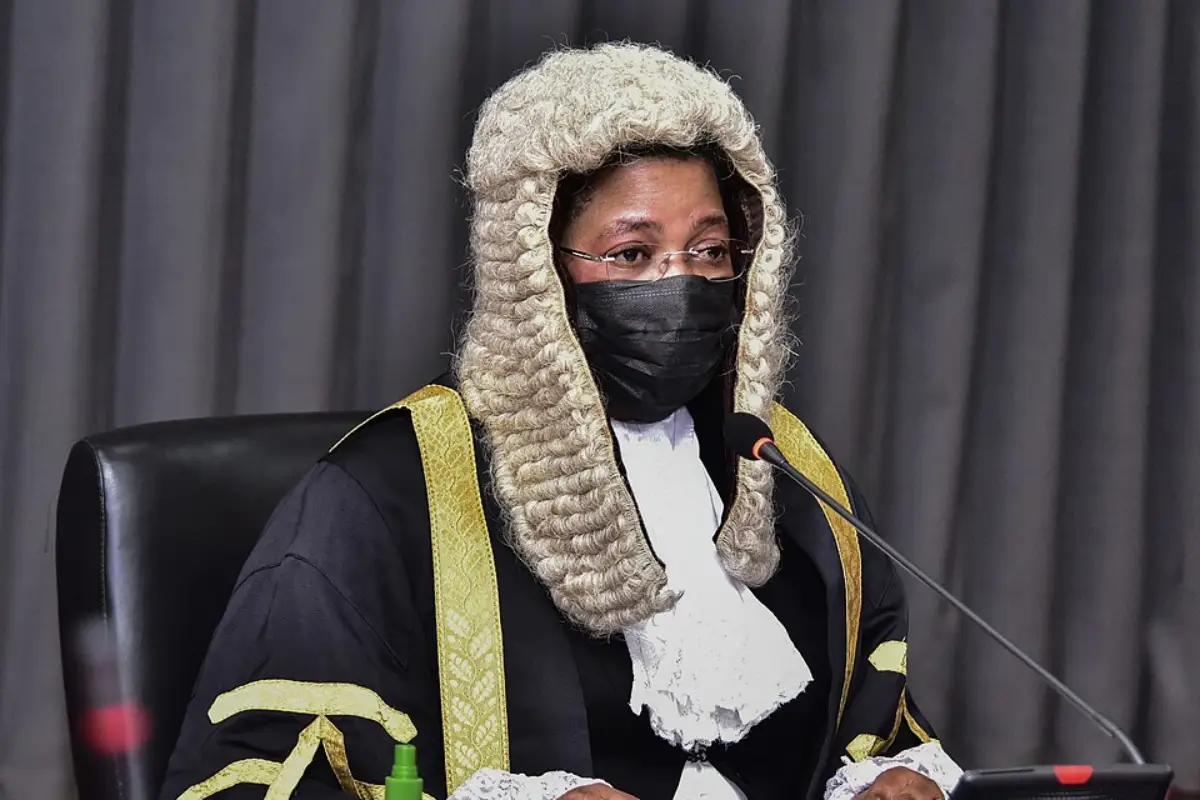
Former Speaker Anita Among has not set foot on the premises of Parliament (at least not in front of the cameras) since her fall amid corruption allegations. Her dream job is no more. The swanky cars that had become an integral part of her opulent lifestyle are now in government hands.
But the most important thing she will miss—which arguably made her name and bestowed power on her to the point of making even Uganda’s most powerful feel threatened—is the influence. It came with occupying the third-most powerful office in the country.
Without her position and the perks that come with it, it is going to take something of a miracle for Ms Among to donate, for example, shs100m again soon.
That sum may already be beginning to feel like billions because access to power and influence is now non-existent.
Political power and access to public resources strengthen politicians’ ability to donate. President Yoweri Museveni can direct that MPs be given Shs100m each. It is done in no time.
But if he has to spend his own money, it becomes difficult. Let us say he owns a farm with thousands of cattle and has to sell them to raise the cash. Giving each MP Shs100m when there are hundreds to receive the cash means the politician has to sell off thousands of cattle.
Six reasons you should trust what you read on this website—and share it with confidence
1. Led by experience that travels well
Our founder and editorial director, Musaazi NAMITI, brings more than two decades of serious newsroom experience, including eight years as an editor at Al Jazeera in Doha, Qatar, and consulting for the African Development Bank, UN agencies and Globe Media Asia in Cambodia. His global exposure anchors OJ-UGANDA.COM in professional rigour and fairness—standards that too often slip in Uganda’s crowded media space.
2. We fact-check with scientific precision
Verification is NOT a box we tick; it is how we bring journalism to life. We confirm spellings, dates, figures, places—every detail that shapes a story. If a fact looks shaky, we pause and probe. Emotion does not lead us; evidence does.
3. We are a legal entity and are fully registered
OJ-UGANDA.COM is a company registered with the Uganda Registration Services Bureau. Our registration number is: 80034266163714
4. Radical transparency in how we work
We do not hide behind mystery. We show readers how information is gathered, verified and edited. You will always understand why we stand by a story—because we will let you in on the process.
5. Accountability you can see
When we err, we do not sweep it under the carpet/rug. Our corrections policy ensures every error is corrected immediately, with a clear note explaining what went wrong and what has been fixed. No quiet deletions. No half-truths.
6. Fair treatment for contributors
If you write for us, your ideas remain yours. We refine, not usurp. We share every edited version before publication, and we publish only work that is fact-based and mutually agreed upon. Your voice stays authentic—and honest.
🔴We run a clean, professional news site that prioritises editorial quality and draws readers’ attention to what matters.
Ms Among’s donating spree did not begin until she became Speaker. And she donated prodigiously. The last public event to which she contributed generously was Gen Muhoozi Kainerugaba’s birthday run this past May. She doled out Shs100m. She financed campaigns of politicians looking to join Parliament. She bankrolled campaigns of MPs seeking re-election.
It is not clear how things will pan out for her. The Inspectorate of Government handed its report about her assets and how she has been handling public funds to President Museveni. New Vision, citing sources knowledgeable about what the report contains, alleged she had significantly inflated her per diem and moved large sums to private bank accounts of Parliament employees close to her.
That money, the paper further alleged, would be withdrawn ostensibly for Corporate Social Responsibility. But even if these allegations are true, the chances of Ms Among getting jailed and wearing that yellow prison uniform remain slim.
The corruption allegations against her raise troubling questions about how public funds are managed in Uganda. For a desperately poor country that struggles to raise sufficient tax revenue, taxpayers’ money ought to be treated like a sacred cow.
ANSWERS TO QUESTIONS OUR READERS OFTEN ASK
Uganda may be one of the fastest-growing economies, but it continues to run budget deficits. This means it has to borrow money or to rely on grants from its development partners to pay its bills and provide public goods.
Each time the government issues bonds, for example, it is effectively borrowing money. It has borrowed from local banks, borrowed from the World Bank, among other institutions.
A government in this hopelessly weak financial situation would make life hell for anyone misusing, embezzling or failing to account for public funds. That should be non-negotiable.
Right now we have a national referral hospital struggling with water bills, road works abandoned because there is no money, the government standing knee-deep in debt because tax revenue is not enough—yet allegations of misuse and misappropriation of public funds continue to surface.
The fact that this goes on unchecked means some people running Uganda are pretty much clueless about what they are doing and just do not care about how public resources should be utilised. They are used as a cushion for politicians against life’s major shocks.
That is why many lose government jobs and the businesses they owned go bust, the mansions they were constructing stall, the fleet of cars reduces to one or two.
Whether Ms Among follows that familiar script remains to be seen
CLICK ON THE ARROW TO READ MORE FROM MUSAAZI NAMITI
🔴 Musaazi Namiti is the Founder and Editorial Director of OJ-UGANDA. He previously led the Africa Desk at Al Jazeera in Doha, Qatar, worked for Globe Media Asia in Cambodia and writes a widely read column for Uganda’s Weekend Monitor. His work has been quoted by The New York Times, The Guardian, The Wall Street Journal, Jeune Afrique, The Africa Report—not for playing it safe, but for saying what others will not.