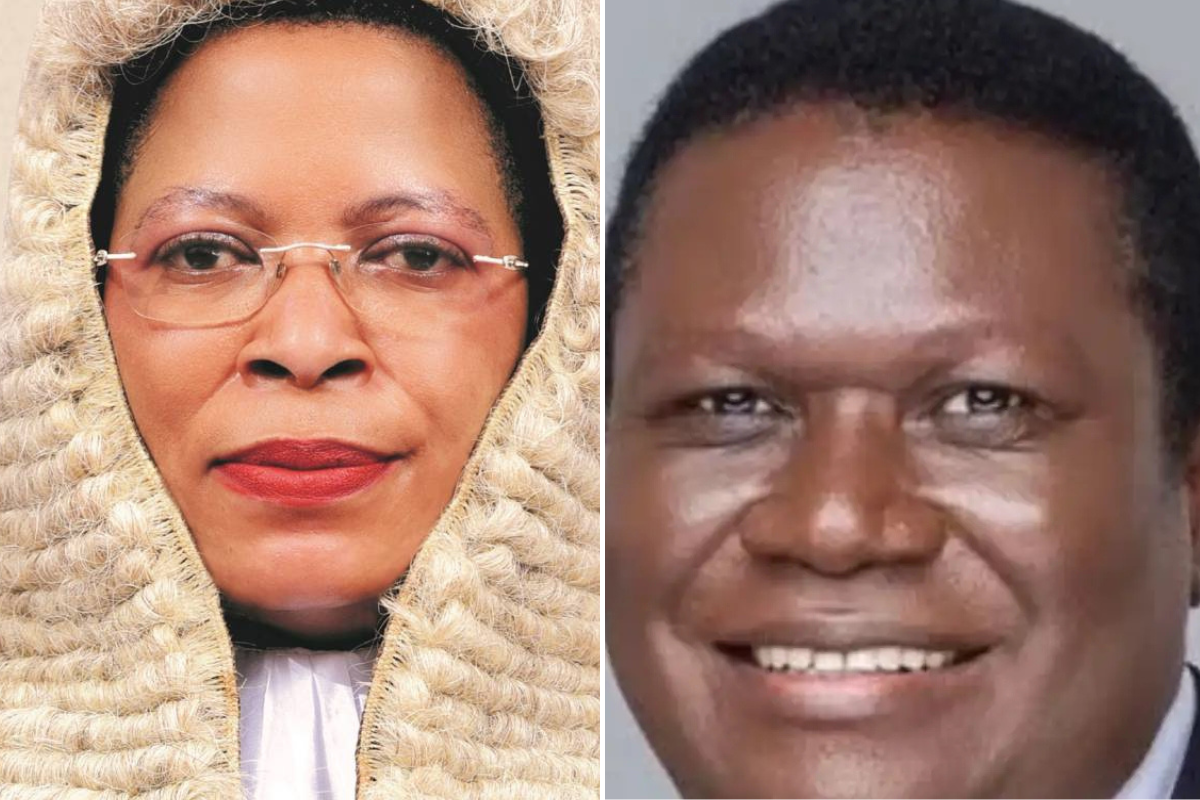

As Anita Among and Norbert Mao position themselves for the Speakership, they are competing for an office that has witnessed Uganda’s political highs and lows since independence.
Uganda’s earliest legislative structures were created under British rule, when governance was exercised through colonial ordinances, but the modern Parliament truly began after 1962.
Between 1962 and 1971, Uganda had two Parliaments. The first combined elected representatives with nominees from Buganda’s Lukiiko (Parliament), reflecting regional arrangements under the Independence Constitution.
Apollo Milton Obote’s Uganda People’s Congress (UPC), in alliance with Kabaka Yekka, formed the first post-independence government, while the Democratic Party, led by Ben Kiwanuka, became the opposition.
The second Parliament, under the Republican Constitution of 1967, continued until Idi Amin’s military coup of 1971, which suspended parliamentary governance entirely.
After the overthrow of Idi Amin in April 1979, an interim legislature, the National Consultative Council (NCC), was established. This was the Third Parliament, guiding Uganda towards general elections in 1980.
The 1980 election then ushered in the Fourth Parliament under the Uganda People’s Congress, with the Democratic Party in opposition. President Yoweri Museveni launched an armed rebellion after the election, culminating in the National Resistance Movement (NRM) taking power in 1986.
Under the NRM, the National Resistance Council, chaired by Mr Museveni, became the legislative body, gradually expanding as new districts were created and additional representatives elected.
The 1995 Constitution, enacted after a Constituent Assembly, re-established a permanent framework for Parliament and guided subsequent elections.
In 1996, Uganda got its Sixth Parliament, and in 2006, the first multi-party Parliament in two decades was sworn in, following the 2005 referendum that ended the Movement System.
Since then, Parliament has grown steadily, from 326 to 555 members. Whoever emerges as Speaker will preside over an institution that has weathered coups, interim arrangements and political reforms, reflecting Uganda’s evolving democracy.
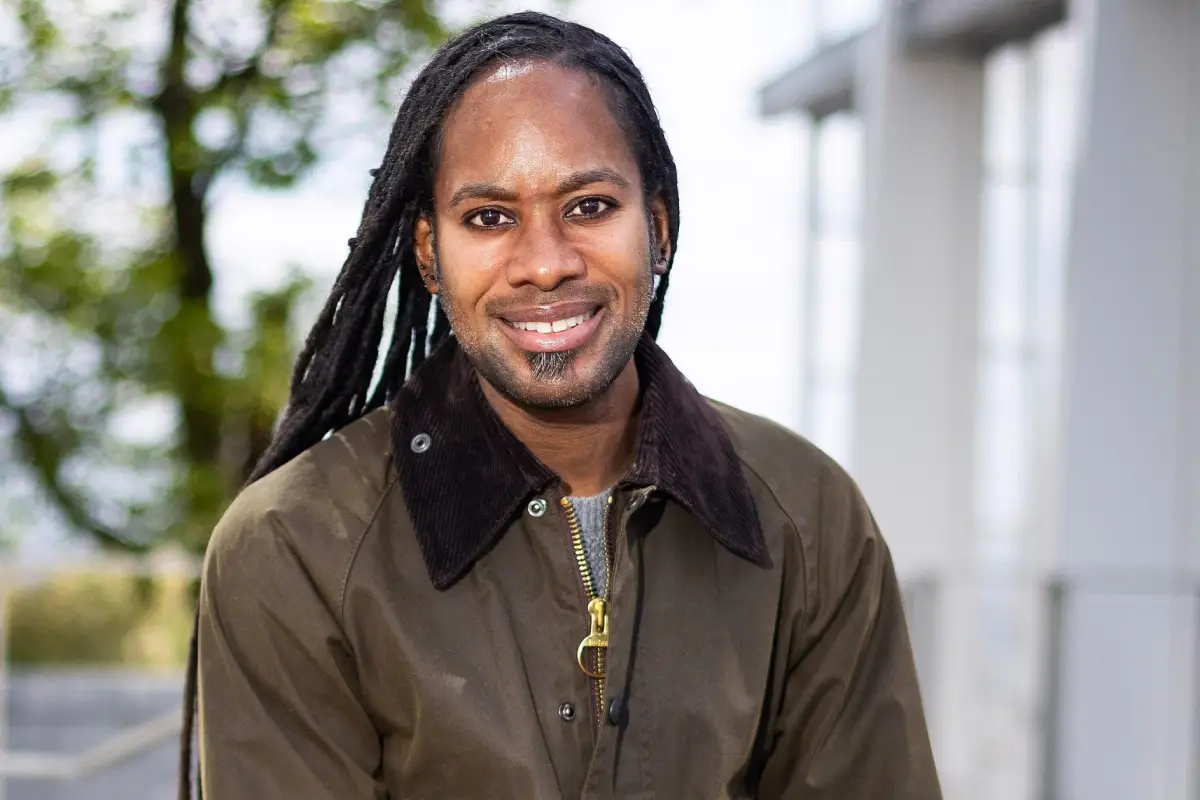
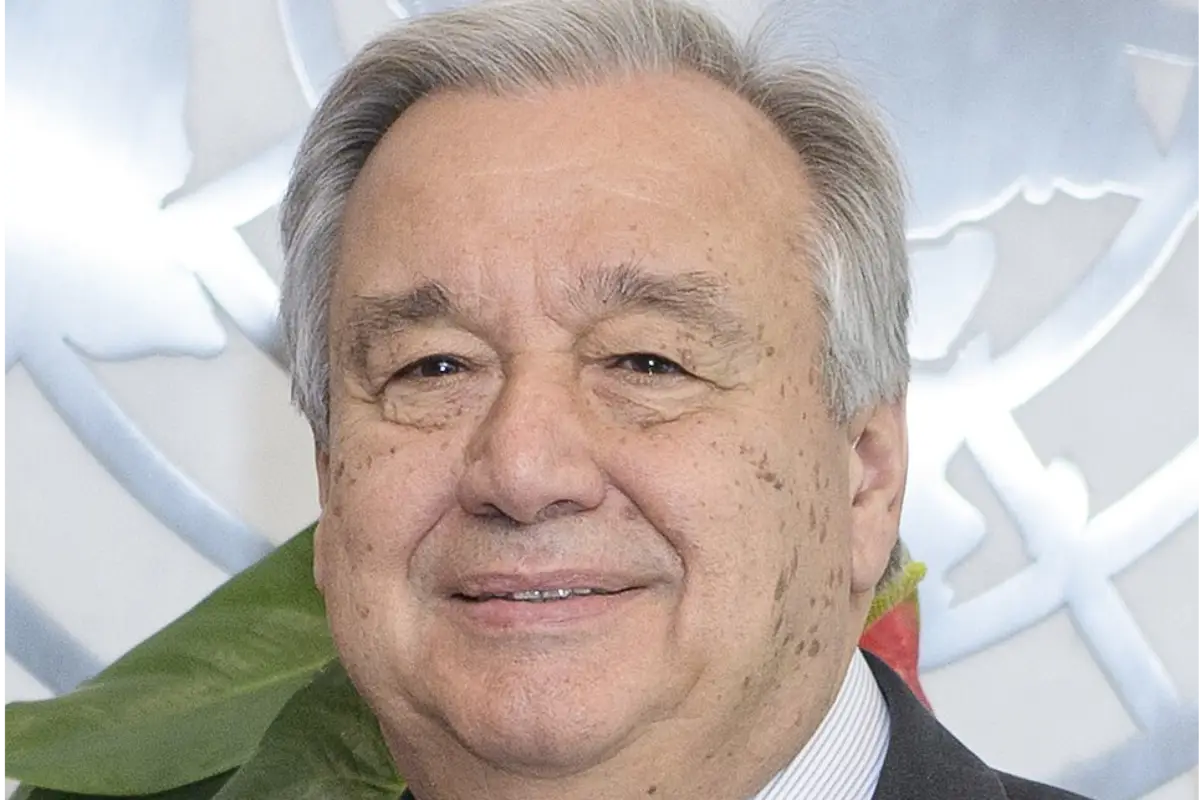
Below are individuals who have held the Speakership of Uganda’s Parliament.
🔴 Brief But Hot brings you short, sharp takes on stories that are of great public interest—politically charged, emotionally raw or socially explosive. These are not long reads, but they pack a punch. When something happens that demands attention now, you will find it here.


You must be logged in to post a comment.