This article is based on independent research, credible public sources and expert commentary. We did not speak to UBL executives—but we did sift through the facts, history and hype to bring you what you need to know.

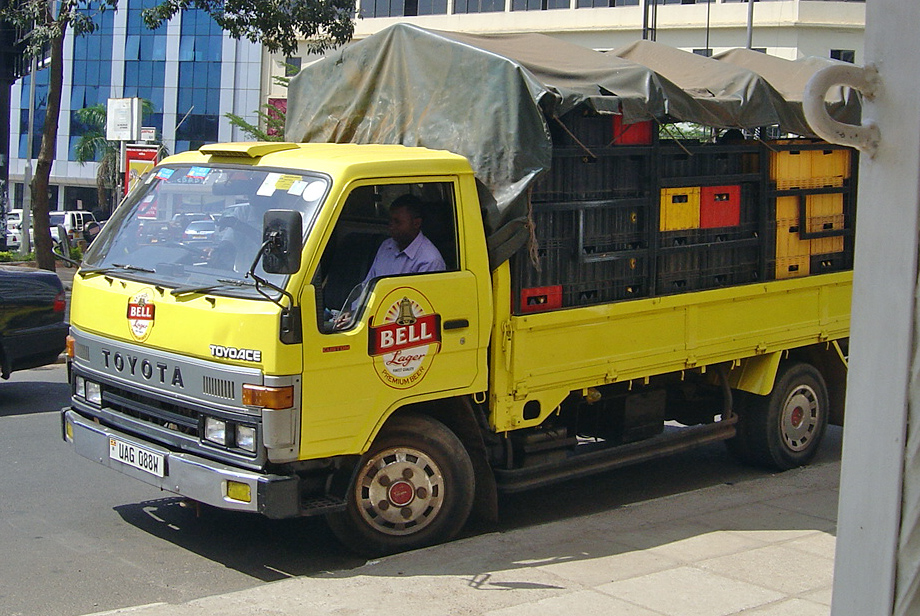
Few companies in Uganda have struggled and survived like Uganda Breweries Limited (UBL). If Bell Lager, Pilsner or the now-beloved Uganda Waragi—once known simply as “war gin”— have ever lifted your spirits (literally or otherwise), then the story behind the company that brews them might just intrigue you.
Beyond the bottle lies a tale of resilience, vision and grit in the face of political upheaval and economic uncertainty. This is not just a history of beverages—it is the story of one of Uganda’s most enduring brands, with valuable lessons for entrepreneurs.
Long before beer came bottled and branded, Ugandans were already familiar with fermented celebration. Mwenge bigere, a traditional drink made from bananas and sorghum, played a key role at social events. Brewed in backyards and shared in calabashes, it lacked modern packaging but carried the spirit of community. It is from this rich backdrop of cultural rituals that Uganda Breweries was born.
Birthed after war
UBL’s story begins in 1946, just after World War2, with the construction of Uganda’s first beer plant in Port Bell, Luzira. A year later, Bell Lager became the country’s first commercial beer. It was an instant hit, symbolising not just refreshment but a post-war optimism and a growing sense of modernity.
In 1950, UBL joined the East African Breweries Group, but decades later, Uganda’s political instability crippled its operations. When Idi Amin took power in 1971, he expelled Asians and nationalised several businesses. The government seized UBL, severing its ties with East African Breweries. Supply chains collapsed, expertise fled, and the brewery—poorly managed and under-resourced—limped on.
Sanctions, raw material shortages and economic decay meant production slowed. Maintenance was neglected. Consumer trust eroded.
While this would have marked the end for many companies, UBL had survival built into its DNA. In 1986, as political stability began returning, East African Breweries considered a comeback, even as investors remained wary.
Buying potential
That is when Dr Martin Aliker, one of Uganda’s most respected businessmen and a former UBL chairman, stepped in. When the East African Community collapsed in 1977, its UBL shares were seen as worthless. Aliker, however, saw potential. He bought them, betting on a better future, and the bold move positioned him as a key player in UBL’s rebirth.
The 1990s ushered in transformation. George Sutton, a Diageo executive, turned things around. He modernised the factory, overhauled management and repositioned the brand. Within six months, results were visible. Bell Lager reasserted its dominance, and newer products, such as Pilsner, carved out loyal followings.
One of UBL’s most visionary moves came when it added Uganda Waragi to its product line. Once an informal, home-distilled gin nicknamed “war gin” by Nubian fighters who claimed it boosted morale before battle, it was standardised, bottled and launched nationally. It resonated instantly. With deep cultural roots, Uganda Waragi was not just alcohol; it was identity. UBL was not selling a drink; it was packaging heritage.
Over time, UBL expanded its portfolio to include Guinness, Tusker and more recently Smirnoff and Baileys. It also invested in community initiatives, supporting farmers, funding clean water projects and offering vocational training. From near collapse, UBL became Uganda’s most profitable and respected firm.
What can today’s entrepreneurs learn from UBL’s journey?
Resilience: UBL withstood colonial transitions, coups, sanctions and war. It adapted as others failed—cutting costs, finding alternatives and keeping production despite steep odds. Entrepreneurs must learn to stay the course.
Visionary leadership: Dr Aliker’s acquisition of “worthless” shares is a case study in long-term thinking. Where many look for quick returns, he waited patiently—and won. It is a reminder that belief and timing can be more powerful than capital.
Cultural relevance: UBL’s embrace of Uganda Waragi speaks volumes. Rather than ignoring local tradition, they honoured it. Entrepreneurs must remember that deeply rooted, culturally relevant products inspire loyalty that marketing alone cannot buy.
Innovation: When Sutton stepped in, he did not recycle old strategies. He revamped, innovated and segmented the market. His success shows that even the strongest brands must evolve or die.
In every Bell Lager bottle, every Waragi shot and every UBL label, there is more than a drink. There is a blueprint for riding out storms, defying odds and building lasting legacies. For Ugandan entrepreneurs, UBL is not just a company; it is a masterclass.
🔴 Editor’s Note: This is part of a new series profiling major companies and the people who built them. We are tracing the brains behind the brands—and how the brands have evolved. Visit us regularly—you might just find the blueprint for your next big idea.



You must be logged in to post a comment.