
This article is based on independent research, credible public sources and expert commentary. We did not speak to the founders or fly to the Czech Republic—but we did sift through the facts, history and hype to bring you what you need to know.
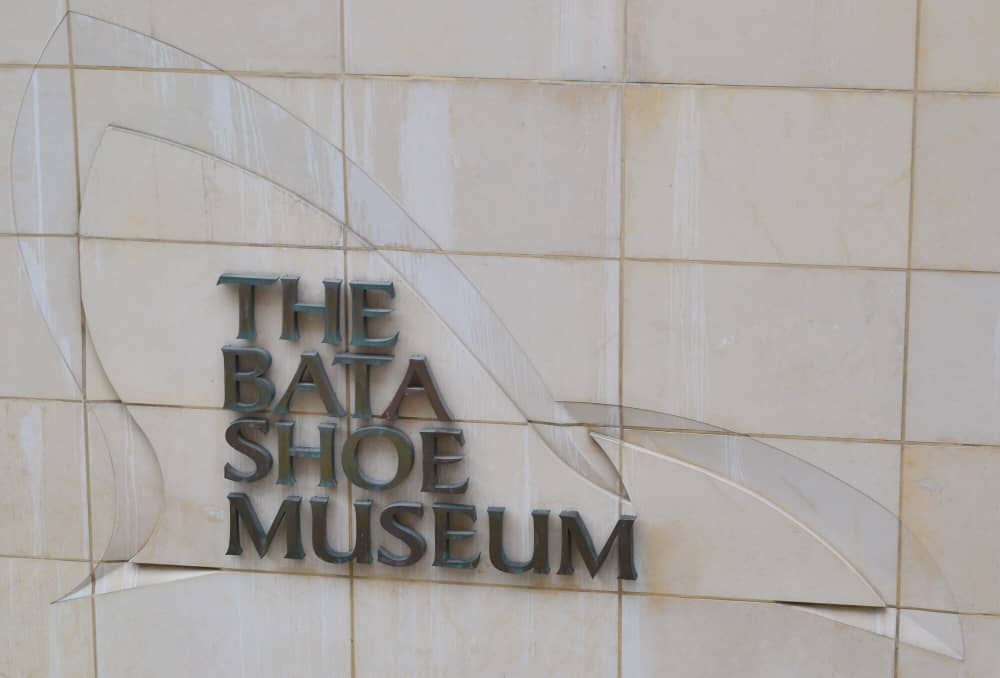
Before cheap Chinese made shoes became widely available in Uganda, often wearing out so quickly that your toes would be peeping out within just weeks, the Bata brand was the dominant and long-lasting choice.
In the 1990s, Bata was not just a footwear brand; it was a symbol of reliability, status and nostalgia. From classroom corridors to Sunday service, Bata was on everyone’s feet. For many, it was their first encounter with the idea of a brand that felt both foreign and personal.
But how did a company from a small Czech town in 1894 become a global empire—and a household name in Uganda? More importantly, what lessons can entrepreneurs draw from its legacy?
The genesis
The Bata story began in Zlín, Czechoslovakia (now Czech Republic), when Tomas Bata, his brother Antonín and sister Anna started a modest shoemaking venture. Coming from a cobbler family, Tomas envisioned something bigger: mass-producing affordable, durable shoes for ordinary people.
In 1897, they introduced the Batovka—a lightweight canvas-and-leather shoe that became a hit. By 1899, they adopted steam-powered machines, becoming one of Europe’s first mass producers. Their genius? Vertical integration. Bata controlled everything—tanneries, factories and even stores—cutting costs while ensuring consistent quality.
By 1912, the company employed 600 workers, and that number had jumped to 65,000 by 1938. With over 5,000 stores and factories in 30 countries, Bata had become more than a shoe brand—it was a movement based on innovation, accessibility and scale.
Entry into Africa
Bata’s African expansion was not accidental. While Western brands focused on luxury, Bata targeted emerging markets offering shoes that were both affordable and durable.
In Uganda, they quickly became the gold standard. Imported leather shoes were expensive and local alternatives could not match Bata’s quality. Their canvas and synthetic shoes could endure Uganda’s rough roads.
Bata stores were accessible and became landmarks in Kampala. The “Back-to-School” campaign cemented the company’s role in education. Many Ugandans remember their first formal shoes being Bata.
The brand did not just sell shoes; it sold aspiration. And importantly, Bata adapted. It did not dump European styles into Africa; it created region-specific shoes tailored to local needs like rugged school shoes and airy rubber sandals.
By the 1990s, Bata had achieved near-mythical status in Uganda. To own a pair was to walk with pride. The shoes were passed down among siblings, carefully polished and worn until they fell apart.
Decline
But empires fall. In the early 2000s, Bata’s dominance began to fade as cheaper Chinese imports flooded the market.
Young consumers gravitated towards trendy trainers and foreign brands, and boutique shops began chipping away at Bata’s market share. Though still around, the brand’s influence became more nostalgic than dominant.
Valuable lessons
But Bata’s rise, reign and retreat offer valuable lessons for entrepreneurs today.
First: Solve a real problem. Bata addressed a need. Ugandan entrepreneurs must ask: What basic persistent need can I meet better than anyone else?
Second: Own your supply chain. By producing its own materials and controlling distribution, Bata kept costs low and quality high. Local businesses can learn from this by investing in domestic production and minimising dependency on imports.
Third: Adapt locally. Bata thrived in Uganda because it understood the terrain—literally and figuratively. Entrepreneurs must do more than replicate Western models; they need to tailor their offerings to Ugandan realities.
Fourth: Be everywhere. Bata’s wide retail presence created trust. For modern brands, that means both physical availability and strong online visibility. A product that is hard to find will not last long.
Lastly: Evolve or die. Bata survived world wars and global recessions because it constantly innovated—from classic leather to trainers to sandals. Ugandan entrepreneurs must be equally dynamic, ready to pivot with trends and technology.
Who will go first?
So, can Uganda produce its own Bata? Absolutely.
Picture a local brand that sources leather from Karamoja or fabrics from Kampala, makes tough school shoes and stylish trainers and scales across East Africa. The infrastructure exists and so does demand. What is missing is the bold vision to step up and fill those shoes.
Bata’s legacy is a business blueprint. The next great African brand could come from right here. The question is: Who will make the first step?
🔴 Editor’s Note: This is part of a new series profiling major companies and the people who built them. We are tracing the brains behind the brands—and how the brands have evolved. Visit us regularly—you might just find the blueprint for your next big idea.




You must be logged in to post a comment.