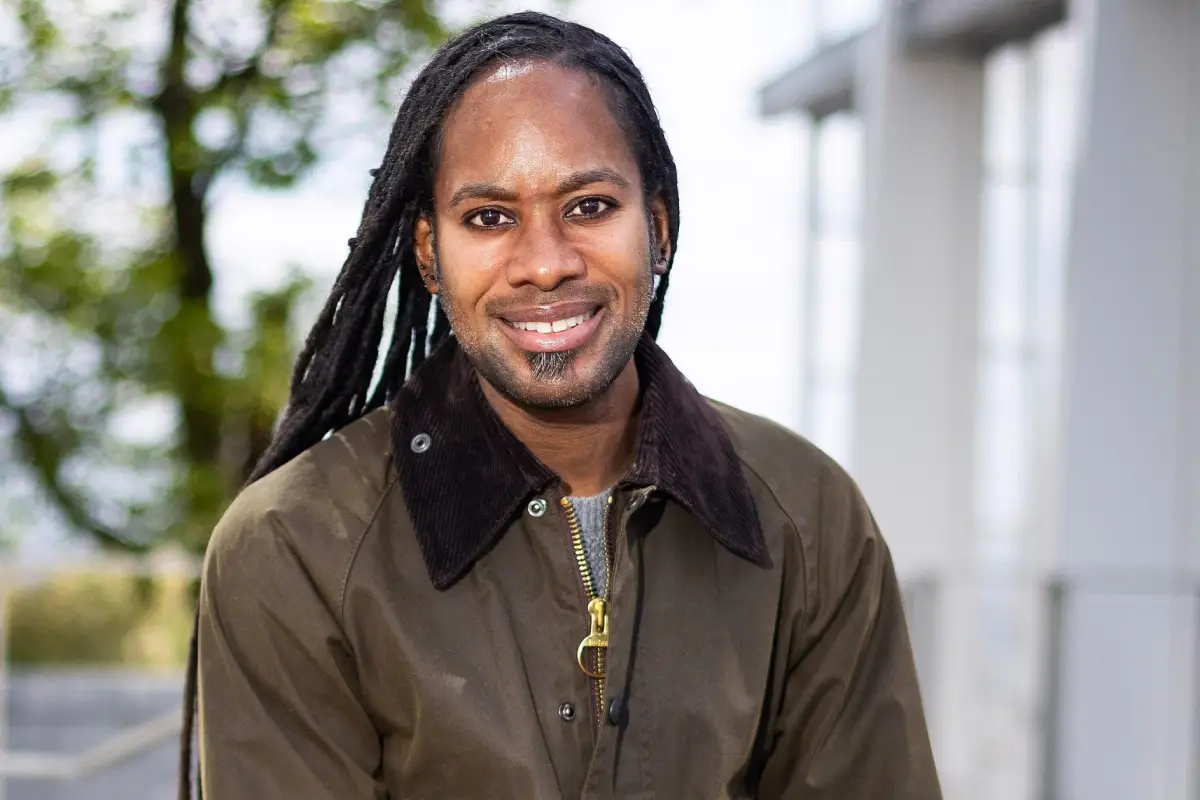
When news broke that Pastor Jonathan Nalebo had parted ways with his wife, Enid Mirembe, social media gasped. Not just because of who he is—a respected servant of God—but because of how he framed the reason: “She was too perfect.”
Too perfect? In a society where women are often judged for not being enough, this statement has provoked both sympathy and scorn. Some are calling it a subtle confession of inadequacy; others see it as a spiritual leader’s failed attempt at self-accountability. But beyond the noise lies a deeper question we all wrestle with: Who is responsible when a relationship ends?
Around the world, from Kampala to California, lovers blame each other when the curtains close. “He changed.” “She became distant.” “He stopped trying.” “She never understood me.” We toss blame like a hot stone, hoping the burn lands elsewhere. But the truth is, relationships rarely collapse in a single moment. They erode—through neglect, miscommunication, unmet expectations and the failure to adapt to change.
Relationships fail not because people suddenly stop loving each other, but because they stop doing the hard work love demands. They stop listening. They stop adapting. They assume the other person will stay. And worst of all, they stop being honest—with themselves and with each other.
Pastor Nalebo’s statement, while painfully honest, reflects a common human struggle: the difficulty of living with someone who holds up a mirror to our own inadequacies. Sometimes it is not their flaws that drive us away—it is their excellence. It is their emotional intelligence, their clarity of purpose, their consistency in love that exposes how far we ourselves have drifted.
But should we fault someone for being “too perfect”? Or should we ask: Why did their perfection become unbearable?
In Uganda, as in many places, relationships are built on both love and survival. Many couples unite through shared struggle—tight budgets, community expectations, spiritual alignment. But once survival is no longer the daily battle, the cracks start to show. Compatibility is no longer measured by how well you hustle together, but how well you grow individually without growing apart.
In Pastor Nalebo’s case, we see a man publicly acknowledging his shortcoming. That is rare. Many walk away from marriages in silence, burying the truth beneath layers of half-told stories and sanitised explanations. His transparency—though unsettling—deserves attention. But so does Enid’s silence. What stories live behind the public statement? What pain hides behind the word “perfect”?
Shifting narrative
Later, Mr Nalebo added another layer to the story: his wife intends to run for political office on the ticket of the NRM, a party whose values differ from his own. This revelation shifts the narrative from personal inadequacy to ideological misalignment. It begs the question: Can love survive when two people grow towards different horizons? When shared faith no longer means shared politics?
We may never know the full truth. And perhaps we do not need to. Because this is not about Pastor Nalebo or Enid. This is about us. You. Me. Every person who has ever found themselves saying, “It’s not working”, while wondering how something so right went so wrong.
Relationships fail not because people suddenly stop loving each other, but because they stop doing the hard work love demands. They stop listening. They stop adapting. They assume the other person will stay. And worst of all, they stop being honest—with themselves and with each other.
FIND MORE SHARP TAKES FROM EJ MAGAMBO
- Is the NUP wave now a storm strong enough to shake State House windows?
- Moses Ali is all Uganda needs to know it is stuck in a massive political traffic jam
- Our labia, our terms: ‘Okusika’ isn’t up for debate
- The rot in our politics: How Uganda’s leadership is becoming a national embarrassment
- You can erase Buganda from the map of Uganda, but not from the bones of Ugandans
So, who is to blame when love dies? The real answer is uncomfortable: both. Even when one partner is more visibly at fault, the relationship is a shared space—neglect from one, tolerance from the other; silence from one, denial from the other. It is never as clean-cut as we like to believe.
Blame fixes nothing. But reflection does. We must learn to ask better questions: “What did I miss?” “How did I contribute to this?” “What wounds did I carry into this relationship?” Until we do that, we will keep dragging broken pieces from one heart to the next, hoping someone else will fix us.
To those reeling from heartbreak, remember this: You are not a failure because a relationship ended in premium tears (as Ugandans love to say). You only fail if you do not grow from it. Whether you were the one who left or the one who was left, there is healing in taking responsibility for your part.
And to the good pastor—thank you for reminding us that even those who stand on pulpits carry burdens too heavy for scripture alone. May your honesty spark more than gossip. May it start conversations. Real ones. Because until we learn to take off the masks in our relationships, love will continue to suffer silently behind filtered smiles.
🔴 Voice of the Moment is your go-to for commentary that won’t pause, wait or soften. Political fallout, moral reckoning, social quake. If it stirs the national conversation, it lands here. Not long reads. Bold reflections.