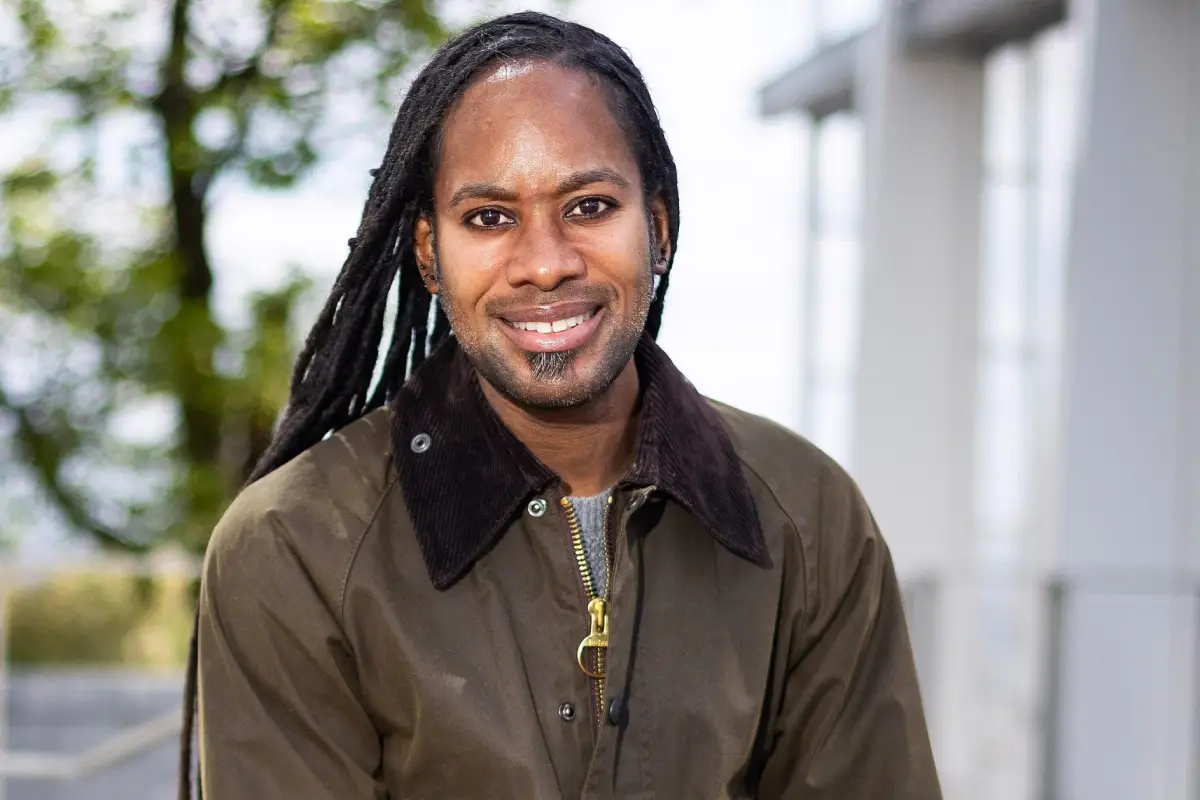
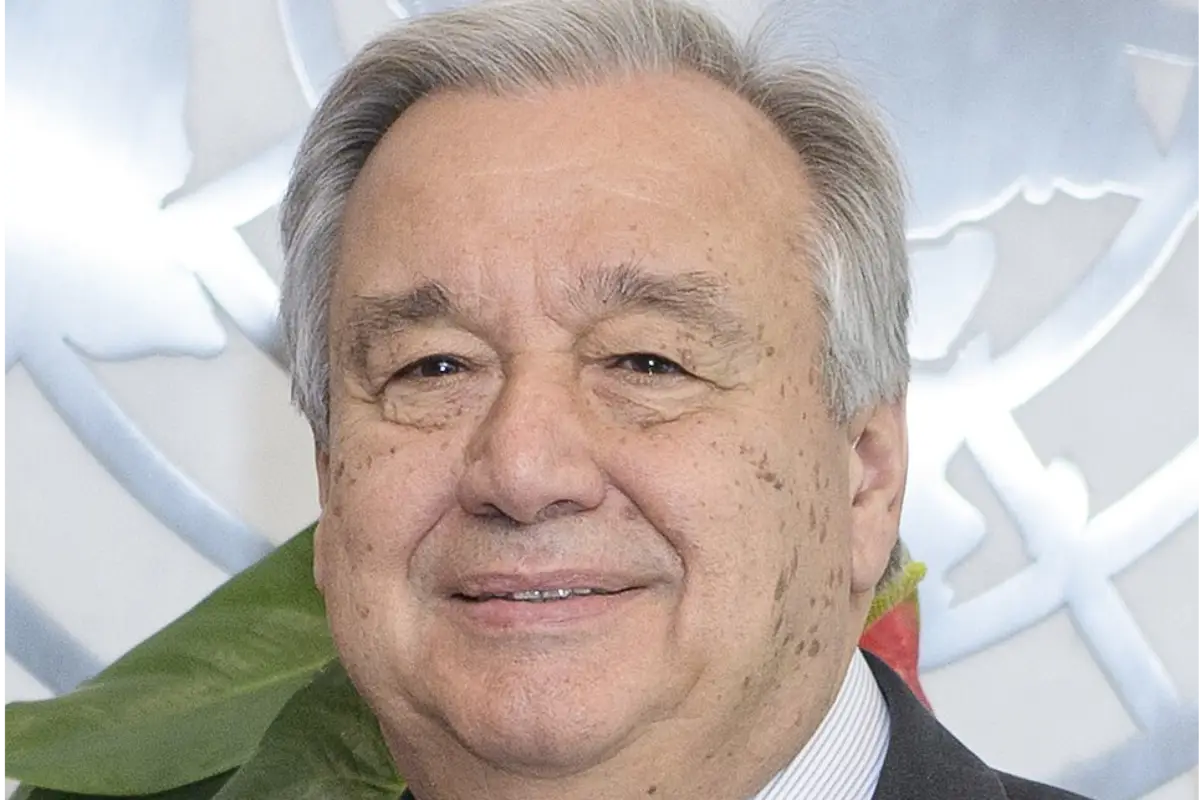
Thousands of words in obituaries have been written about Shaka Ssali, the veteran Voice of America journalist who died on March 27 aged 71. But his obituaries are incomplete without Haruna Kanaabi, a veteran journalist many young Ugandans barely know.
In years gone by, Mr Kanaabi was hosted on Radio Ssimba’s Gasimbagane ne bannamawulire (face the press) and BBS Terefayina.
Mr Ssali relied on him for news interviews about politics and governance in Uganda. And his Uganda visits, especially in the late 1990s and early 2000s, nearly always included a stop at The Shariat, the newsletter Mr Kanaabi edited.
Yet the differences between the two news organisations could not have been starker: VOA: A US government-funded, global multimedia organisation with high-end infrastructure in one of the best-known cities in the world. The Shariat: A small, underground Ugandan newsletter housed in a tumble-down old building behind William Street.
The Shariat was small even by Ugandan standards. It had a one-room office, partitioned with plywood to create the illusion of extra space. Just two desks and a computer, which Mr Kanaabi’s assistant, a dark-skinned roly-poly woman named Nnaalongo, always used for typesetting.
Mr Ssali would leave his hotel in Kampala and come to visit his friend unfazed by the noise, the clutter, the cobblers, the shoe shiners and the makeshift eateries on the way to The Shariat.
He would just pull a chair and even order what Ugandans call dry tea and chapati from the makeshift eateries, run by men and women who were barely literate.
It says a lot about how Mr Ssali was unpretentious and self-effacing. Here was a man who could moderate a panel at a global conference sitting with the editor of a small newsletter. He had a PhD; Mr Kanaabi does not have a degree.
For inexplicable reasons, The Shariat’s office was a meeting place for many journalists. If you did not catch Mr Ssali at the Shariat during his visits to Uganda, you would find there Tamale Mirundi, President Museveni’s former press secretary. John Kakande, the former news editor at the New Vision (now retired), was a regular as was Betty Nambooze, a former journalist serving as the MP for Mukono Municipality.
The two had something in common. Mr Kanaabi’s Shariat was unfailingly critical of Mr Museveni’s government. His articles, often opinions, rarely pulled punches—and he was once jailed for them.
Newspaper journalists, broadcast journalists, public relations officers, spokespersons of government departments often visited The Shariat.
I was a young journalist when I first met Mr Ssali in 1999, and I remember he hosted a party at Nile Hotel, now Serena, for local journalists. Mr Kanaabi and Mr Mirundi were the event organisers. Journalists were eager to ask questions about how they could scale the heights of their profession, impressed by what Mr Ssali had achieved at the VOA.
So what drew Mr Ssali to Mr Kanaabi? Why was he the one Ugandan journalist Mr Ssali always phoned for an interview?
The two had something in common. Mr Kanaabi’s Shariat was unfailingly critical of Mr Museveni’s government. His articles, often opinions, rarely pulled punches—and he was once jailed for them.
Mr Ssali was also a noted critic of Mr Museveni, although given the editorial standards and guidelines of the VOA, it was hard for him to be openly critical, especially on air.
At the presidential debate of 2016, he along with the BBC’s Allan Kasujja and Nancy Kacungira were moderators, but he drew criticism for not asking Mr Museveni tough questions.
Media commentators speculated the State House agreed to him being a moderator on the condition that he did not ask tough questions.
Born in rural Kabale, Mr Ssali managed to earn a PhD in the United States despite one mathematics teacher once telling him he would be a failure. And in a remarkable departure from the Ugandan way of aping things Western, he stuck to his Kigezi accent despite living in the US for decades.
At the VOA, he interviewed African presidents and rose through the ranks to become managing editor. Many will remember him for how he maintained credibility in the polarised world of diaspora media.
But for Mr Kanaabi, the enduring memory will be a towering figure in journalism picking his way in a maze of chapati stalls and eateries into a tiny, dimly lit office to talk about press freedom and Museveni’s governance.
🔴 Musaazi Namiti is the Founder and Editorial Director of OJ-UGANDA. He previously led the Africa Desk at Al Jazeera in Doha, Qatar, worked for Globe Media Asia in Cambodia and writes a widely read column for Uganda’s Sunday Monitor. His work has been quoted by The New York Times, The Guardian, The Wall Street Journal, Jeune Afrique, The Africa Report—not for playing it safe, but for saying what others will not.
Email: musaazinamiti@ojuganda.com
X: @kazbuk