
Musaazi NAMITI | The Founder’s Mind Space
You can call it justice by drones—the mini vans in which security forces bundle people they want to interrogate. And you would be right.
Many people have been abducted and held in illegal detention. The unlucky ones are held for years without trial. The lucky ones can be freed without charge, sometimes after being tortured physically and mentally. Or they are taken to court and charged with offences that verge on the absurd.
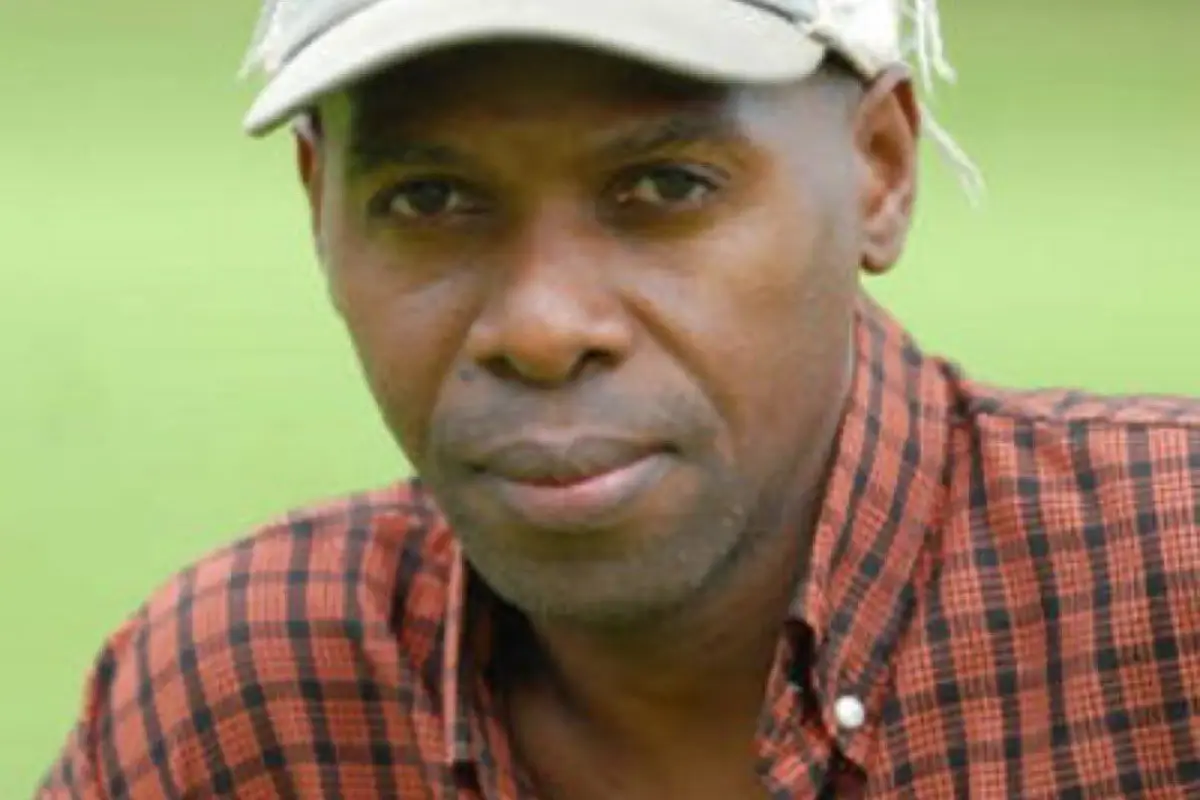
Timothy Kalyegira is one of the lucky ones. A veteran commentator who prefers to call himself an AI researcher and video producer, he was arrested on June 26 and produced in court a few days later.
He has written for the Daily Monitor—which security forces shut down last month—since the early 1990s and is outspokenly critical of the government. His arrest followed the abductions of former Kampala mayor Erias Lukwago and former Ethics and Integrity Minister Miria Matembe.
Mr Kalyegira’s charge sheet surprised many Ugandans. Prosecution alleges that between 2013 and 2026, he broadcast content on Kampala Express, a largely dormant Facebook page he launched more than 10 years ago, without a licence from the Uganda Communications Commission, the regulator.
Another charge is related to the Uganda Record, a defunct news and opinion website Mr Kalyegira launched in 2010. Prosecution alleges he ran the site without authorisation from the UCC. But the charge sheet refers to Uganda Records, which technically does not exist.
Six reasons you should trust what you read on this website—and share it with confidence
1. Led by experience that travels well
Our founder and editorial director, Musaazi NAMITI, brings more than two decades of serious newsroom experience, including eight years as an editor at Al Jazeera in Doha, Qatar, and consulting for the African Development Bank, UN agencies and Globe Media Asia in Cambodia. His global exposure anchors OJ-UGANDA.COM in professional rigour and fairness—standards that too often slip in Uganda’s crowded media space.
2. We fact-check with scientific precision
Verification is NOT a box we tick; it is how we bring journalism to life. We confirm spellings, dates, figures, places—every detail that shapes a story. If a fact looks shaky, we pause and probe. Emotion does not lead us; evidence does.
3. We are a legal entity and are fully registered
OJ-UGANDA.COM is a company registered with the Uganda Registration Services Bureau. Our registration number is: 80034266163714
4. Radical transparency in how we work
We do not hide behind mystery. We show readers how information is gathered, verified and edited. You will always understand why we stand by a story—because we will let you in on the process.
5. Accountability you can see
When we err, we do not sweep it under the carpet/rug. Our corrections policy ensures every error is corrected immediately, with a clear note explaining what went wrong and what has been fixed. No quiet deletions. No half-truths.
6. Fair treatment for contributors
If you write for us, your ideas remain yours. We refine, not usurp. We share every edited version before publication, and we publish only work that is fact-based and mutually agreed upon. Your voice stays authentic—and honest.
🔴We run a clean, professional news site that prioritises editorial quality and draws readers’ attention to what matters.
Mr Kalyegira, aged 58, has since been freed on bail, but on July 10 he posted something revelatory on X.
“On June 26, I was arrested and driven in an SFC [Special Forces Command] drone to a basement. Reason? Why do you hate the First Family?” he wrote.
He went on: “On July 1, my friend Odrek Rwabwogo visited me at Luzira prison and also brought greetings from his wife Patience, President Museveni’s daughter. So, there we are.”
The post speaks volumes about how Uganda’s justice system is now under capture by political interests. The disconnect between the state’s stated reason for arresting him and its apparent real motive is telling.
If Mr Kalyegira was arrested because he broadcast without a licence, why, according to his own account, were his interrogators interested in whether he hated the First Family?
As the justice system continues to be undermined, it is going to be hard to know what people are being prosecuted for. A businessman may be arrested for tax evasion, yet interrogated for supporting the opposition.
Several people who have been abducted and detained illegally have recounted stories of being asked why they support National Unity Platform president Robert Kyagulanyi Ssentamu aka Bobi Wine.
When Ms Matembe was arrested, she was charged with promoting sectarianism. But army chief Gen Muhoozi Kainerugaba, who had earlier warned that she was going to be abducted after she criticised him for abducting and detaining people illegally, did not say anything about sectarianism.
ANSWERS TO QUESTIONS OUR READERS OFTEN ASK
The Ministry of Justice and Constitutional Affairs has remained largely silent about people being abducted and charged with ludicrous offences.
Mr Kalyegira’s post also points to a striking contradiction. If he hates the First Family, it means he hates the entire family. Yet the man who visited him, Odrek Rwabwogo, is the husband of Mr Museveni’s daughter, Patience. And his wife sent greetings to Mr Kalyegira.
Mr Kalyegira has, at times, criticised Gen Kainerugaba on X, albeit indirectly. Also, Gen Kainerugaba and Mr Rwabwogo are not on speaking terms. Against that backdrop, the visit appears to tie in well with “The enemy of my enemy is my friend” saying.
But whatever the motive behind the visit, what should concern every Ugandan is that the rule of law is under threat. Magistrates and judges are no longer impartial, and political opponents the state has accused of serious crimes cannot have lawyers of their choice.
CLICK ON THE POINTER TO READ MORE FROM MUSAAZI NAMITI
🔴 Musaazi Namiti is the Founder and Editorial Director of OJ-UGANDA. He previously led the Africa Desk at Al Jazeera in Doha, Qatar, worked for Globe Media Asia in Cambodia and writes a widely read column for Uganda’s Weekend Monitor. His work has been quoted by The New York Times, The Guardian, The Wall Street Journal, Jeune Afrique, The Africa Report—not for playing it safe, but for saying what others will not.