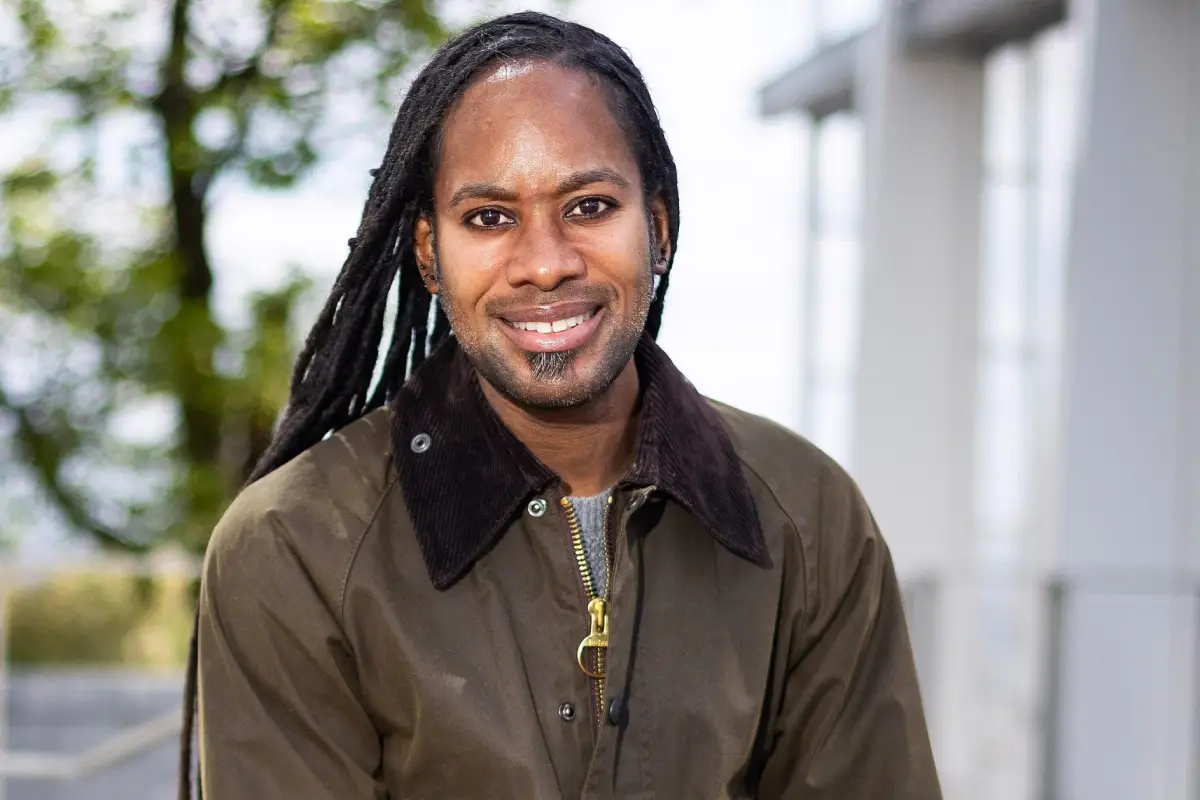
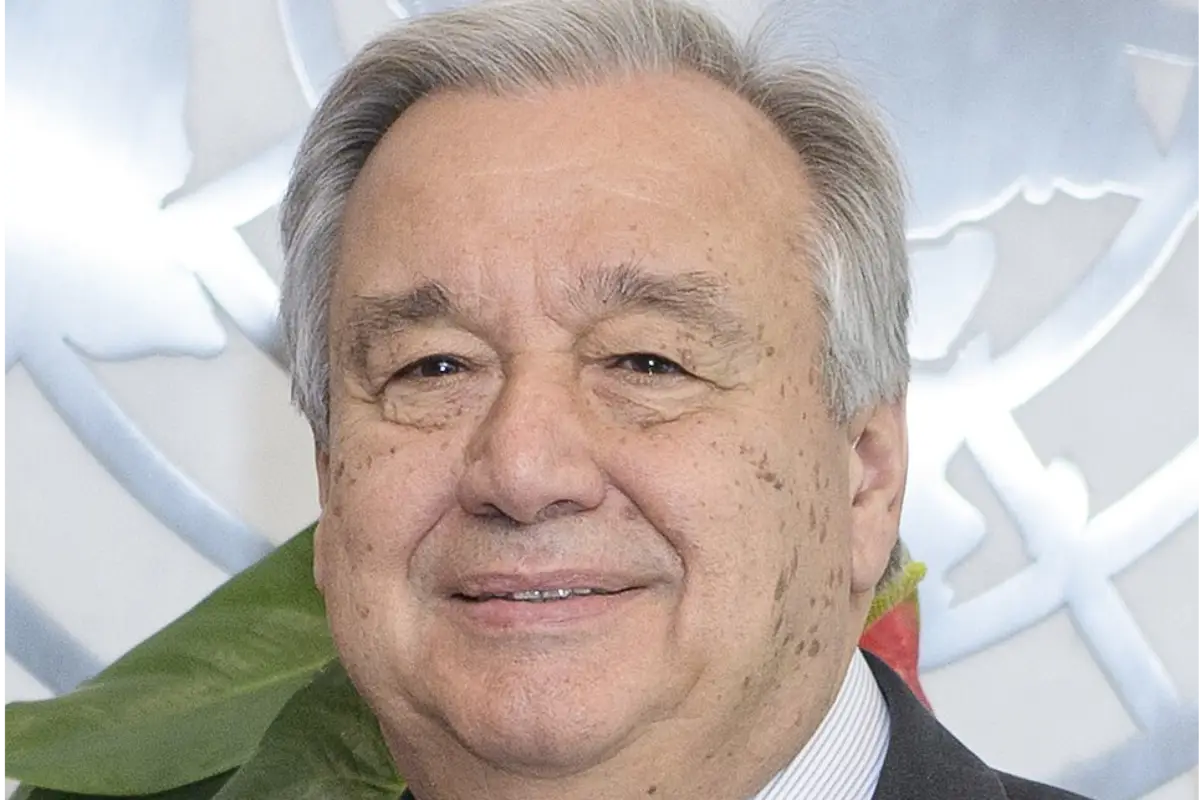
At a ceremony to open his church in Sembabule District last Sunday, former Foreign Affairs minister Sam Kutesa told the congregation that in November 2022, he was diagnosed with throat cancer. He said he had to travel to Germany for medical treatment.
The doctors put him on chemo and radiotherapy, he said, adding that his treatment lasted six months. Then he dropped the clincher: “I recovered.”
The church he built, he said, is an expression of gratitude to God for curing his cancer. The audience applauded. Mr Museveni, who was the chief guest and whose eldest daughter Natasha Kainembabazi used his official plane in August 2003 to travel to Germany to give birth, was listening intently but without overt enthusiasm.
Mr Kutesa’s choice of Germany, which is thousands of miles away, is surprising, considering that Uganda has the Cancer Institute near Mulago, the national referral hospital. It is a bit like bypassing Nakasero Market in Kampala and travelling to Gulu (hundreds of miles) to buy fruit and veg.
Had Mr Kutesa gone to Mulago, he would have spent less money, and he would have the added benefit of friends and relatives checking on him regularly. Yet he chose Germany over Mulago.
This makes his claim that God cured his cancer throat highly implausible. It also raises pertinent questions: Why did Mr Kutesa have to fly to Germany given that God is supposed to be omnipresent (available everywhere, according to believers) and knows who is suffering from what?
Does God read and deal with cancer symptoms better for Ugandan cancer patients treated in Germany?
Is chemo and radiotherapy more effective for Ugandan cancer patients only when it is applied in Germany, by German doctors? What does Mr Kutesa’s overseas treatment say about belief, privilege—and the system he helped build?
There is an element of duplicity and sophistry in Mr Kutesa’s claim. In fact, it should be interpreted for what it really is—a vote of no confidence in our healthcare system.
Perhaps the best indicator of how woefully inadequate Uganda’s healthcare provisions are is the fact that very few in Mr Museveni’s government ever use public health facilities, as this website wrote recently.
Mr Kutesa’s choice of Germany, which is thousands of miles away, is surprising, considering that Uganda has the Cancer Institute near Mulago, the national referral hospital. It is a bit like bypassing Nakasero Market in Kampala and travelling to Gulu (hundreds of miles) to buy fruit and veg.
Cabinet ministers, senior politicians who are pro-NRM, the governing party, and high-ranking officers in the military and police have often gone to Nakasero Hospital, a private healthcare facility.
It is worth mentioning that the second Minister of Health under Mr Museveni’s government, Zac Kaheru, died in a German hospital. What is more, Mr Museveni pledged in the 2001 Abuja Declaration to dedicate 15 percent of the national budget to health, but that number now stands at just seven percent.
The Ministry of Health has had nine ministers since 1986—Ruhakana Rugunda, Zack Kaheru, James Makumbi, Dr Crispus Kiyonga, Jim Muhwezi, Stephen Mallinga, Christine Ondoa, Ruhakana Rugunda (twice), Elioda Tumwesigye and Jane Ruth Aceng (serving)—but none has been able to build a healthcare system that can be relied on by political leaders and those they lead.
By contrast, in Germany, it is unthinkable that Olaf Scholz, the Chancellor, can seek medical treatment in the UK, the United States or France. Yes, Germany is a developed country—but even a poor country can use its resources to build an effective healthcare system.
Yet in Uganda there is an ever growing list of politicians and civil servants who have sought medical treatment overseas—and some have died in foreign countries. Recent examples include former Speaker of Parliament Jacob Oulanyah and Keith Muhakanizi, the former treasury secretary.
By spending money on a church, Mr Kutesa is doing nothing to fix the problems he ran away from. While the people of Sembabule can pray from their homes, they cannot get proper medical care in their homes.
And unlike Mr Kutesa or Mr Museveni’s daughter Kainembabazi, they do not have the luxury of hoping on the plane to travel to Germany and get treatment. They need a strong healthcare system at home.
Prayers and God do not treat disease. If Mr Kutesa found Germany’s healthcare system failing, like Uganda’s, his chances of recovering would be slim. He knows this very well, yet he gives credit to God instead of German doctors—and money.
CORRECTION | Updated July 13, 2026, 17:55: An earlier version of this article incorrectly stated that Zac Kaheru was the first Minister of Health in the NRM government. Dr Ruhakana Rugunda was the first.
🔴 Musaazi Namiti is the Founder and Editorial Director of OJ-UGANDA. He previously led the Africa Desk at Al Jazeera in Doha, Qatar, worked for Globe Media Asia in Cambodia and writes a widely read column for Uganda’s Sunday Monitor. His work has been quoted by The New York Times, The Guardian, The Wall Street Journal, Jeune Afrique, The Africa Report—not for playing it safe, but for saying what others will not.
Email: musaazinamiti@ojuganda.com
X: @kazbuk